She Used to Want Him. Now Her Body Tenses Before He Even Touches Her — Here’s What Finally Changed That

You still love your husband. That is what makes this so confusing.
During the day, you can laugh with him, discuss school fees, send him a message about dinner, and feel like the two of you are fine.
But when evening comes and you sense that he wants to be close, your body tightens before your mind has even decided how you feel.
You turn toward the wall. You stay longer in the bathroom. You hope tiredness will explain what you cannot put into words.
What happened to me?
Sometimes it is not only that desire is missing. Intimacy can feel dry, tense, or physically uncomfortable. You may brace yourself and pretend everything is fine because stopping halfway feels harder than enduring it quietly.
Then comes the guilt. You worry he will think you are rejecting him. You worry he will suspect another man. You worry that if you say the truth out loud, the words will sound like an accusation.
So you perform comfort. You smile. You wait for it to be over. And each time, your body learns to expect more tension the next time.
You may have bought a herbal tea from a WhatsApp vendor. You may have prayed and fasted. You may have been told to “just relax and enjoy your husband,” as though your body has an on-and-off switch.
None of that means you are cold, ungrateful, unfaithful, or broken. It means there is a real pattern that deserves calm attention rather than shame.
Here is a gentler, body-first way to understand what may be happening—and what can help you take the first safe step.
I’m going to show you a private 14-day process designed to help you understand the tension, rebuild comfort, and make room for desire without forcing it.
Chioma’s story may feel close to your own
An honest note: Chioma is a composite character based on the common experiences this guide addresses. She is not presented as a real customer, and her story is not a testimonial.
Chioma entered marriage with warmth for her husband. She enjoyed his company, welcomed his touch, and never imagined she would one day need to rehearse excuses before bedtime.
After their daughter was born, the change was gradual. There was no dramatic argument and no single night she could point to. There was tiredness that settled into her bones. There was the constant awareness of what the baby needed. There were days when everyone touched her and nobody seemed to ask what she needed.
When she and her husband tried to return to their old rhythm, her mind wanted closeness but her body did not follow. She felt dry. She anticipated discomfort. Her shoulders would rise, her stomach would harden, and she would become alert in the very moment she wanted to relax.
At first she told herself it was temporary. After I sleep properly. After the baby gets older. After work becomes less stressful.
Months passed. Then longer.
She began agreeing to intimacy when she did not feel ready, hoping desire would arrive after they started. Sometimes it did not. Instead of speaking, she focused on looking comfortable. She thought pretending would protect her marriage.
But pretending created a second problem. Her husband could feel that something was different, even if he could not name it. He became cautious. She became more anxious about disappointing him. The bedroom filled with questions neither of them knew how to ask.
The cost was not limited to sex. Chioma started avoiding small affection because she feared it would have to lead somewhere. She stopped leaning against him on the sofa. She shortened goodnight kisses. A tender touch that once felt safe began to feel like the first step in an obligation.
She felt lonely beside someone she genuinely loved.
She tried the solutions women often receive in whispers. One herbal mixture made her stomach uncomfortable and changed nothing else. She prayed sincerely, but prayer alone did not show her why her pelvic muscles tightened or why exhaustion changed the way her body responded. She repeated “just relax” to herself, only to become more aware that she could not command relaxation.
She also tried silence. Silence was the easiest solution for one night and the hardest solution for a marriage.
Eventually, she nearly accepted the thought that frightened her most: Maybe this is simply what marriage becomes.
Then a trusted friend described a different way of looking at the problem. Not as a failure of love. Not as a test of morality. Not as proof that something was wrong with her womanhood. She described it as a pattern involving stress, safety, physical tension, and connection—parts that could be noticed and addressed one at a time.
The approach came from a quiet women’s wellness practitioner who had spent more than a decade listening privately to married women. Her starting point was simple: a body that expects pressure will often protect itself with tension. The answer is not more pressure. The answer is to understand what the body is responding to and rebuild a sense of ease.
This idea also holds something many of our grandmothers understood in everyday practice: a woman needs rest, time, and a sense of safety in her own body. That wisdom does not require us to romanticise the past or ignore modern medical care. It simply reminds us that desire does not live separately from workload, pain, resentment, hormones, sleep, or emotional closeness.
Instead of adding another mixture or forcing herself to “be in the mood,” Chioma began with a private self-check. She looked honestly at three areas: stress, disconnection, and physical tension.
Was she exhausted before closeness even began? Did she feel emotionally distant after unresolved conflict? Was there persistent pain, burning, bleeding, unusual discharge, or another sign that needed a clinician rather than a home practice? Did she have enough time to become comfortable, or was she bracing because everything felt rushed?
The questions did not diagnose a medical condition. They did something more appropriate for a private guide: they helped her stop guessing and identify her next sensible step.
She then spent ten to fifteen minutes each day reconnecting with her body without any demand for intimacy. She used slow breathing, gentle release movements, and comfort preparation. She noticed where she held tension. She practised letting her shoulders, jaw, stomach, and pelvic area soften without measuring the session by whether she felt desire.
That distinction mattered. The goal was not to manufacture arousal on command. The goal was to give her nervous system repeated experiences of attention without pressure.
She also introduced a simple ritual with her husband: a few minutes of closeness that did not automatically have to become sex. This made affection feel safer again. When a conversation was needed, she used words that described her experience without blaming him: “I love being close to you. My body has been tense lately, and I want us to slow down while I understand what helps me feel comfortable.”
In the first few days, the most noticeable change was not sudden passion. It was ease. She felt less frightened by her own reactions because she could finally name them. She had a plan for preparing her body and permission to pause when something hurt.
By the second week, she noticed more warmth between them. She reached for him without immediately worrying where the touch would lead. She felt more able to initiate affection because she knew she could stay connected to her own comfort.
Not every woman’s result will look the same, and no honest guide should promise that it will. Desire is influenced by health, medication, hormones, relationship safety, fatigue, and many other factors. Some women need a doctor, pelvic-health physiotherapist, counsellor, or another qualified professional. A responsible process must make those signs clear.
But a private, structured starting point can remove the shame that keeps many women frozen. It can replace random advice with observation. It can help a woman move from “something is wrong with me” to “here is what I notice, and here is the next step I can take.”
That is why I created a phone-friendly guide around this body-first framework: to give women a calm place to begin, practical actions to follow, and language for the conversation they may eventually choose to have.
Introducing Rebalance
Rebalance: The Private Intimacy Recovery Protocol packages the process into a clear 14-day path you can follow privately on your phone. It moves through three stages—Diagnose, Apply, and Maintain—so you can understand your pattern before trying to change it.
It is educational guidance, not a medical diagnosis or a substitute for professional care. It includes clear signs that tell you when home practices are not enough and it is time to speak with a qualified doctor.
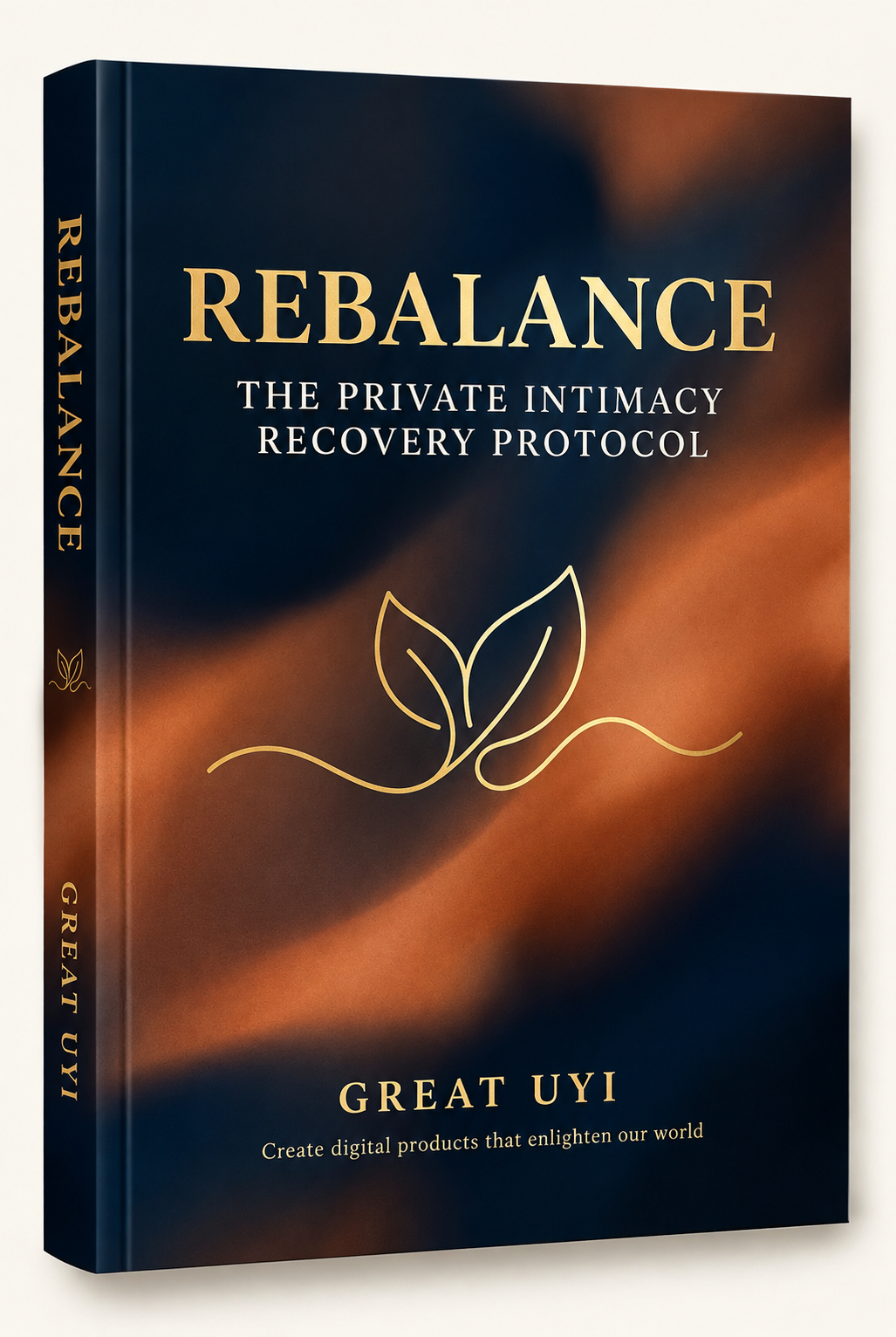
Inside this guide, you’ll find:
- The 14-Day ProtocolA daily Diagnose → Apply → Maintain path that tells you exactly what to focus on without overwhelming you.
- Root Cause Self-CheckPrivate prompts to help you notice whether stress, emotional disconnection, physical tension, or a health concern is leading the pattern.
- 10–15 Minute Reconnection PracticesSimple breathing, awareness, movement, and comfort-prep steps you can complete at home without equipment.
- 14-Day TrackerA discreet way to record comfort, tension, energy, closeness, and small shifts without judging yourself.
- Reconnection Ritual CardA low-pressure ritual for rebuilding affectionate closeness with your husband without making every touch a promise of sex.
- Comfort Prep ChecklistA practical reminder covering time, privacy, pace, lubrication, and the conditions that help your body feel safer.
- Soft-Conversation ScriptGentle, direct words for explaining what you need without blame, rejection, or a long confrontation.
Real customer experiences will appear here
[INSERT REAL CUSTOMER QUOTE HERE]
Only one placeholder is included because no verified testimonials were supplied. Collect at least three genuine, permission-approved responses before launch rather than inventing extras.
A focused starting point for the next 14 days
Rebalance brings the self-check, daily practices, tracker, comfort tools, reconnection ritual, and conversation support into one private process. Instead of collecting disconnected advice, you can follow one step at a time and see what your body is telling you.
This ₦9,800 price is available to the first 100 women this month. After that, the planned price is ₦15,000.
Secure checkout and delivery are handled by Selar.
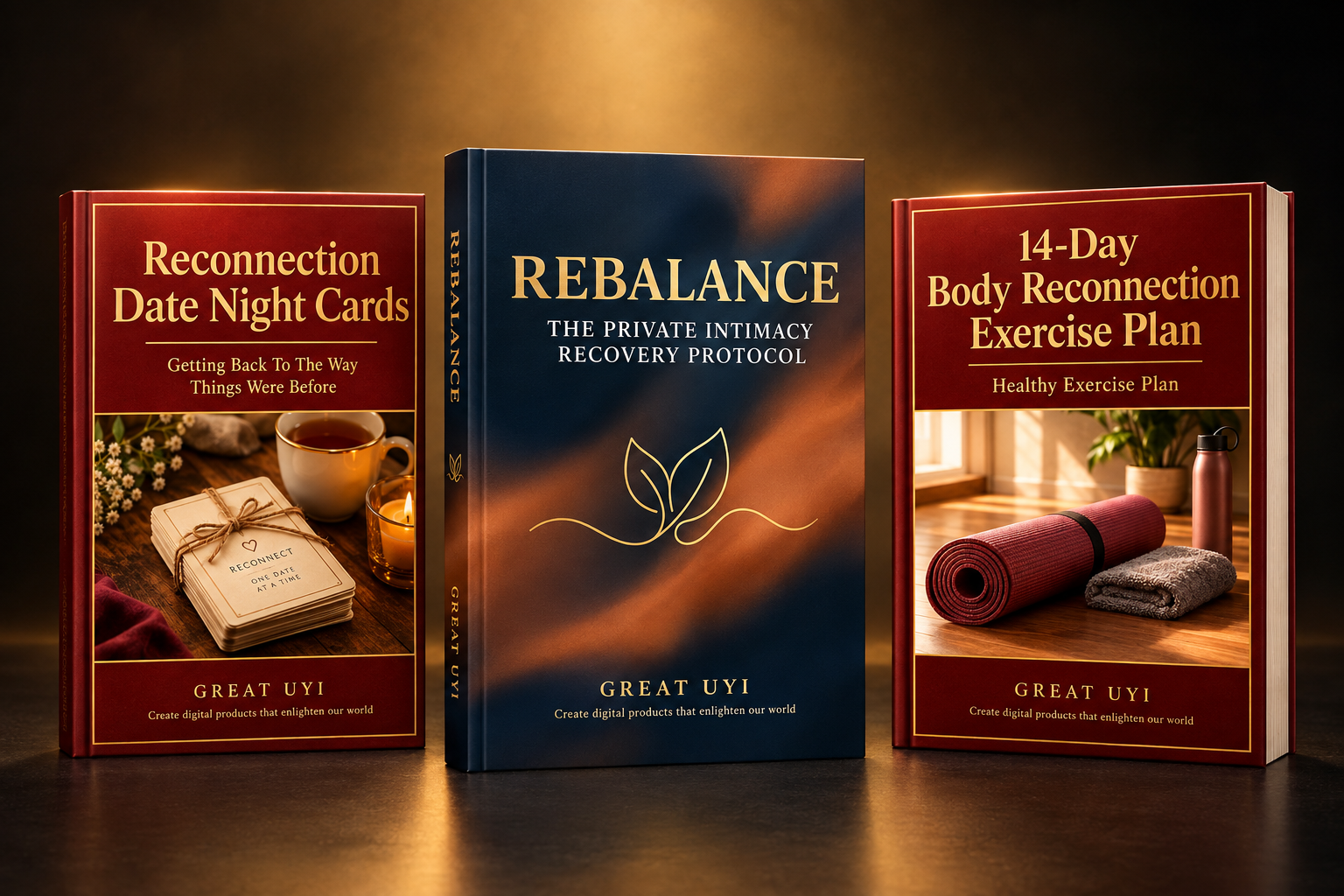
Two gentle tools to support the main protocol

Printable “Reconnection Date Night” Card Set
Ten low-pressure, no-cost date ideas designed to rebuild warmth and companionship without forcing intimacy.
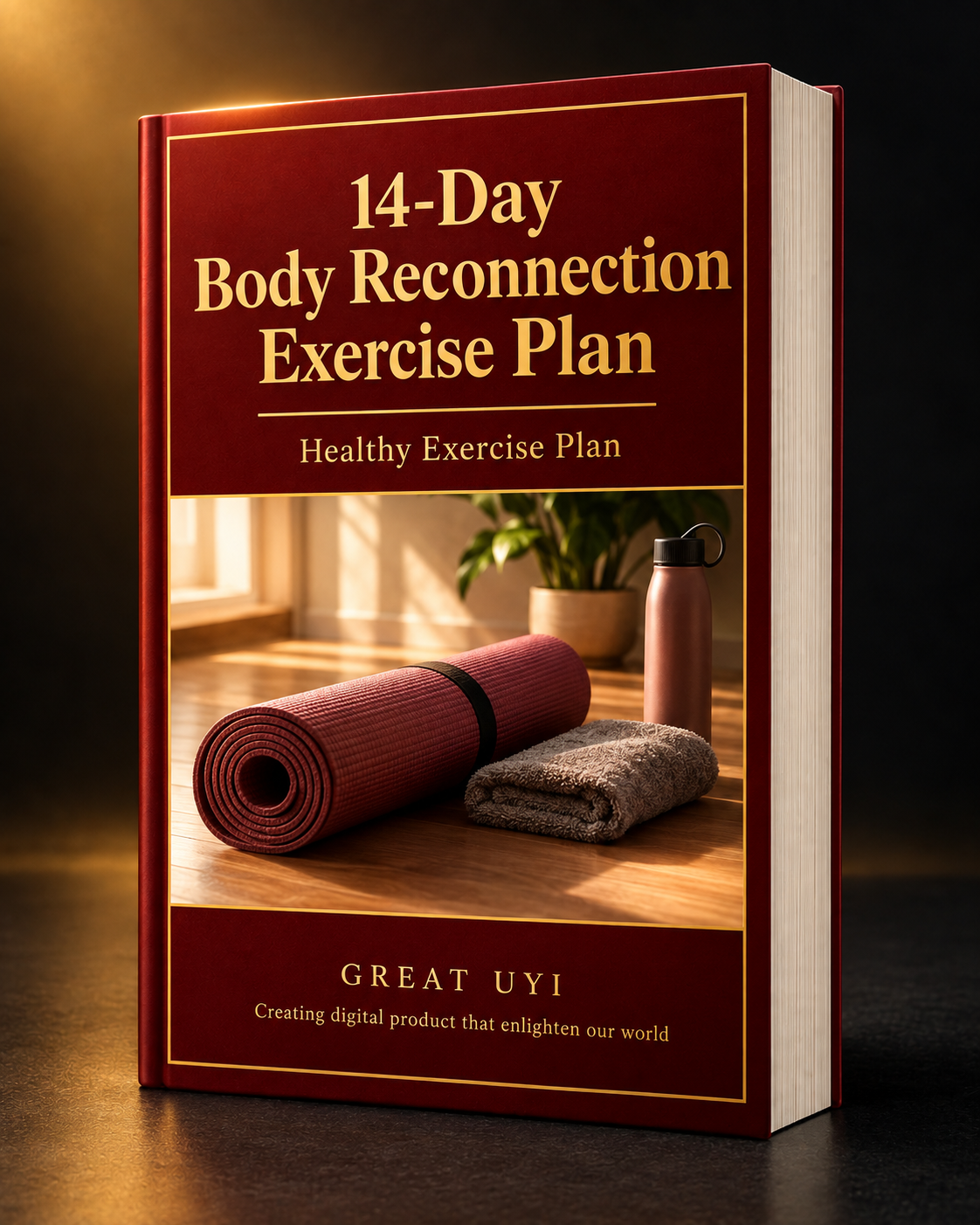
14-Day Body Reconnection Exercise Plan
A simple ten-minute daily movement and stretch routine. No gym and no equipment—just practical support for releasing tension alongside the guide.
24-Hour First Step Guarantee
Follow Day 1 of the protocol tonight. If you don’t feel a noticeable shift in comfort within 24 hours, ask for a full refund—no questions asked.
Closeness does not have to feel like pressure
You do not need to decide that this is “just marriage now.” You also do not need to force yourself into desire or solve everything in one difficult conversation.
You can begin by noticing what your body has been trying to communicate. You can practise comfort without expectation. You can learn when to slow down, when to speak, and when to seek medical support.
The aim is not to become a different woman in 14 days. It is to feel more at home in your own body, more honest about what you need, and more able to approach closeness with warmth instead of fear.
If that is the first step you need, Rebalance is ready for you.
Get Rebalance Now for ₦9,800Private digital access · Read on your phone · Includes both bonuses